Insights
Weekly notes on the questions we hear most often in live deals.
 Succession M&A
"My son wants to be a YouTuber." No successor? Consider a third-party succession sale before closing the doors
Handing the company to your children is not the only route. Korea's 2026 tax reform proposal adds relief for third-party business succession, which makes selling a 30-year-old company to a peer in your industry or a long-serving employee a realistic option. Here is what we see in real conversations, laid out step by step.
 Policy
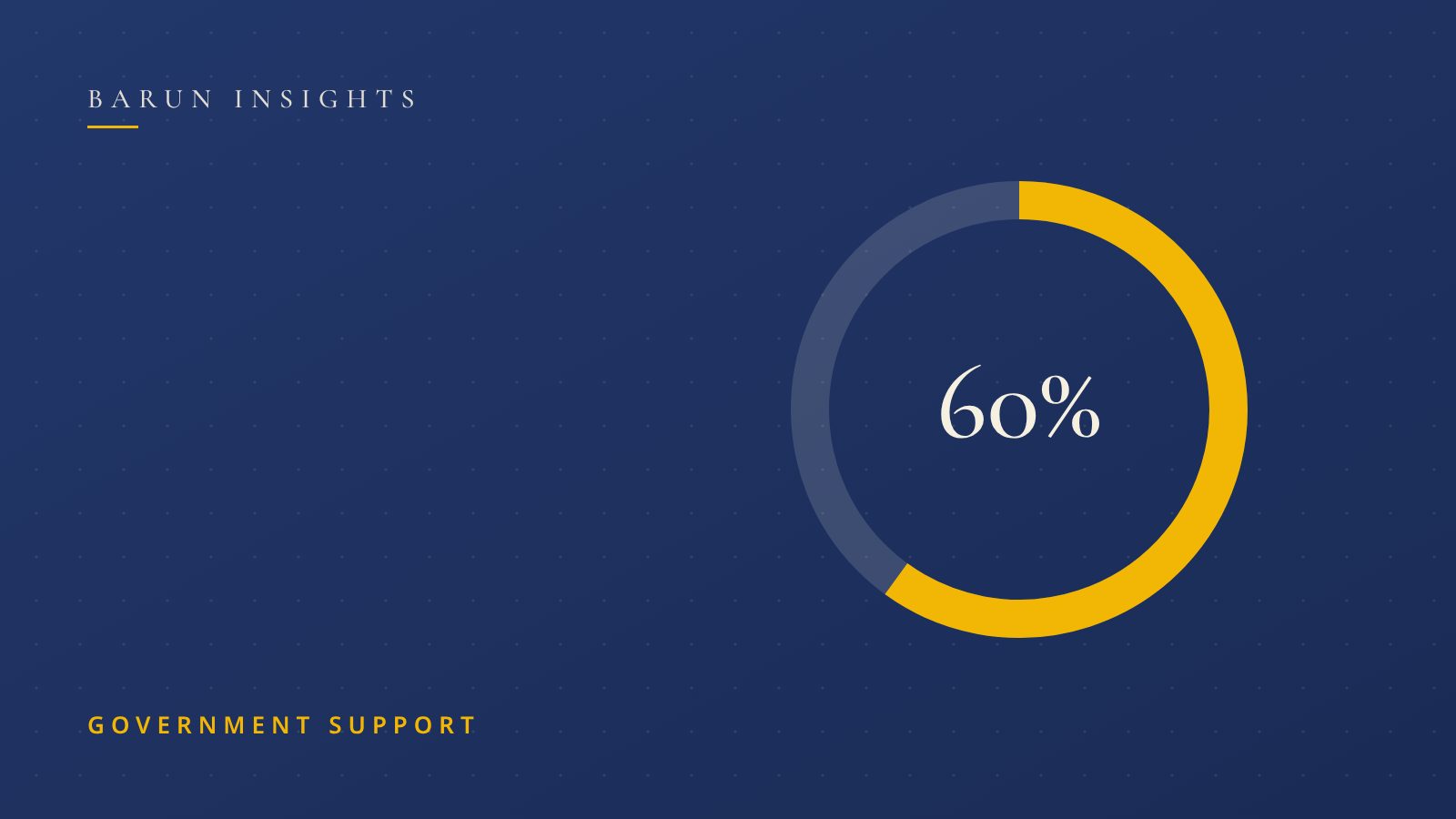
"How much do advisers cost?" The question that stalls M&A reviews, and the government support that can take a bite out of it
Valuation, due diligence and post-merger integration (PMI) all cost money, but each stage also has government support. Here is a stage-by-stage guide to what the Ministry of SMEs and Startups and KIBO offer as of 2026, plus the traps that are easy to miss.
 Sell-side
"Can we sell next month?" Why that sentence needs a year: five things to prepare before a sale
Clean financial statements, key-staff contracts, tidied related-party dealings, a simpler shareholding structure and a consistent reason for selling. Most price cuts in due diligence trace back to one of these five, and a year ahead is the time to start.
 Capital raising
"Why is our company priced like that?" Negotiating a Pre-IPO round with logic, not just a number
Investors in a Pre-IPO round look less at the number than at the road that leads to it. Negotiating power comes from telling peer selection, growth assumptions, the listing-time discount and non-price terms as one coherent story.
 Deal terms
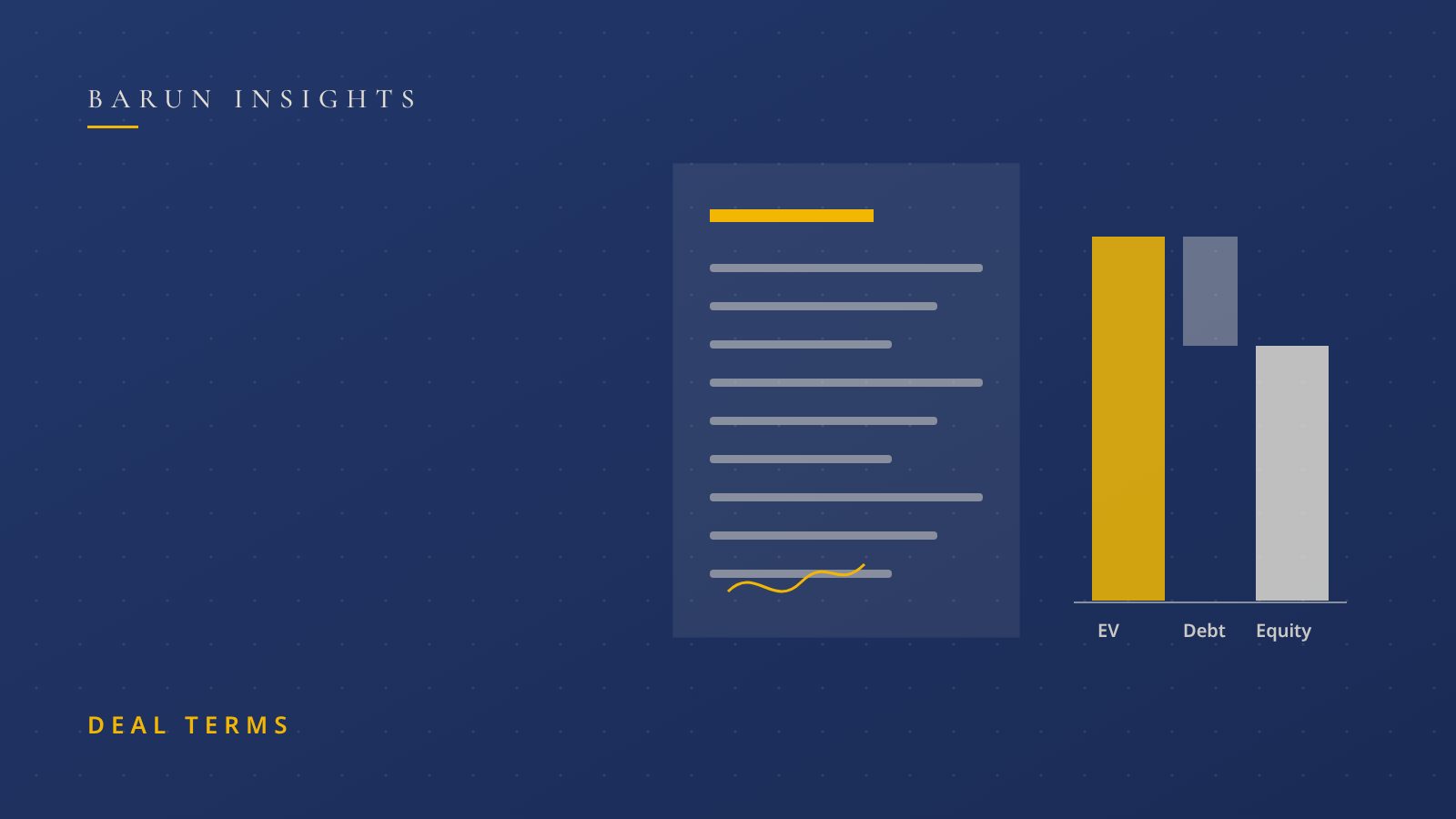
"We'll Pay 10 Billion Won": The Six LOI Terms That Decide What You Actually Get
Because a letter of intent is non-binding, it is often written loosely, and the parties later argue over very different amounts from the same headline number. The price basis and adjustment mechanics belong in the LOI. Here are six terms to pin down, with scenes we see in real deals.
 Cross-border
"The contract was great, so why is the after-tax number so different?" Why structure comes first in Korea-U.S. deals
The legal form of the U.S. entity and the handling of transfer pricing and withholding tax can change the after-tax result of the same deal substantially. These four issues rarely show up at the negotiating table, but they decide what you actually keep. Structure comes before the contract.
 Deal terms
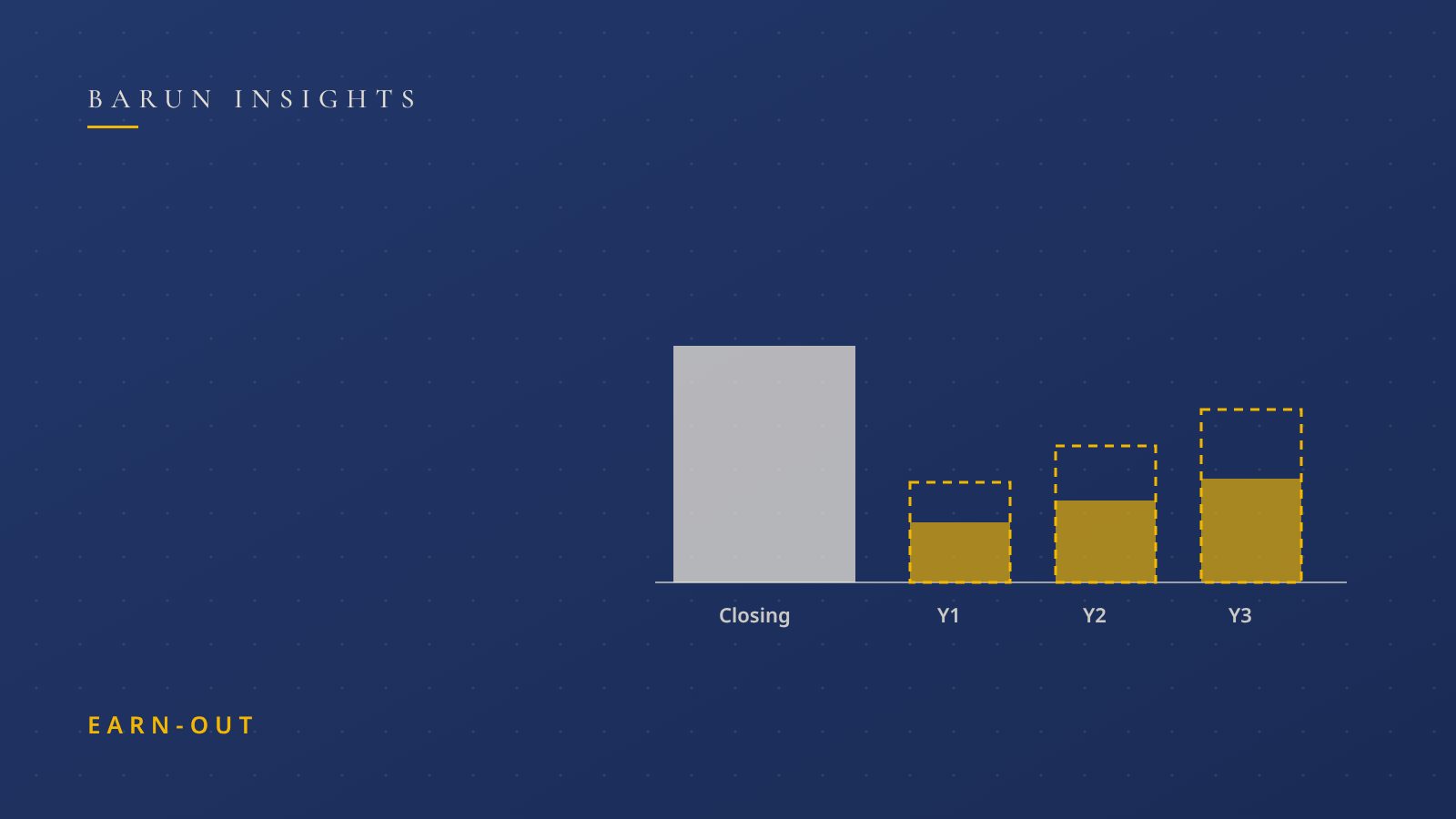
"Revenue Will Double Next Year." Want to Prove It With an Earn-Out?
Sellers price next year's results; buyers price last year's. An earn-out can bridge the gap, but without precise metrics, measurement rules and post-closing operating covenants it tends to end in a dispute. Five things a seller should lock down.
 Due diligence
"Before diligence starts, there's one thing I should mention..." Six red flags buyers look for first
Diligence teams review hundreds of items, but the issues that move price or stop a deal repeat themselves. Here are six that sellers should check before the buyer does, with scenes from the field.
 Tech M&A
"We're ten people. Who would buy us?" What makes a small tech company one that buyers want in the AI era
Korean M&A rebounded sharply in 2026, led by large deals, while strategic buyers are acquiring technology and talent along the AI value chain of power, data centres, semiconductors and software. For a small company, being hard to replace matters more than size.